Best Budget Telescopes ○
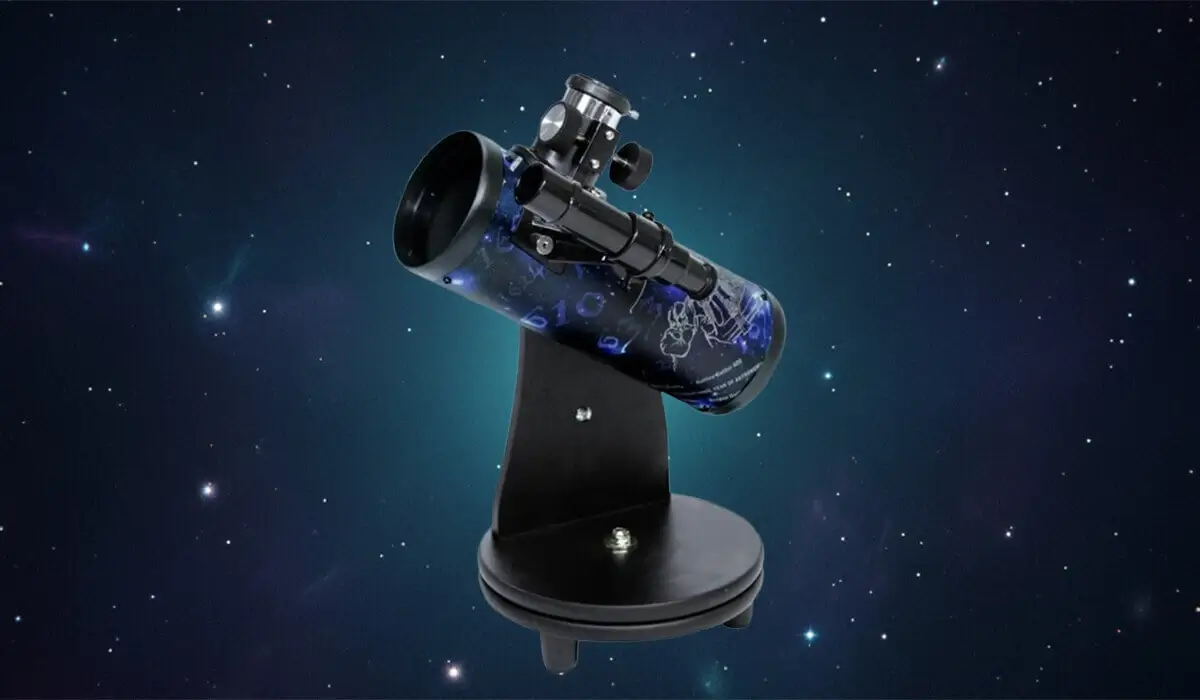
Best Telescopes Under €100
Explore affordable entry-level telescopes perfect for beginners. Top picks include the Acuter Newtony 50/200, ideal for learning how telescopes work, and the SkyWatcher Heritage 76/300 Dobson, chosen for stability and better viewing.
Explore Options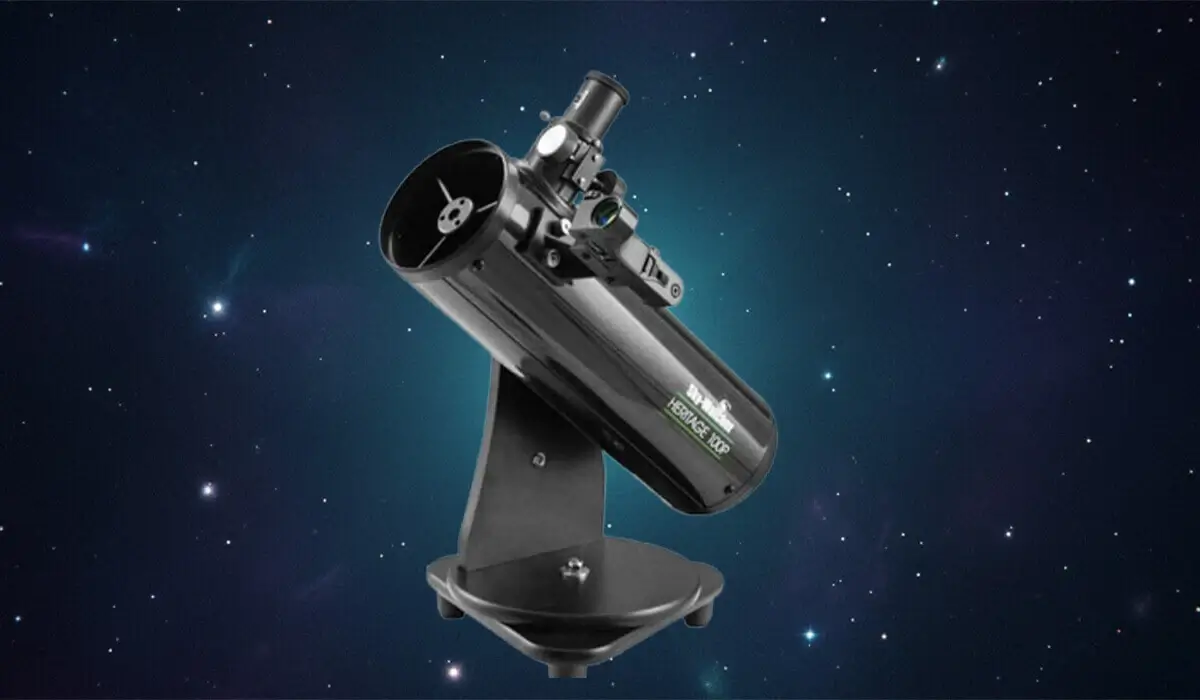
Best Telescopes Under €200
In the under €200 category, compact but capable tabletop telescopes really shine. Models like the Acuter MaksyGo 60 deliver crisp, high-contrast lunar and planetary views, while the Sky-Watcher Heritage 100 offers a wider field of view and better light gathering for casual deep-sky observing, making both excellent step-up options for beginners.
Explore Options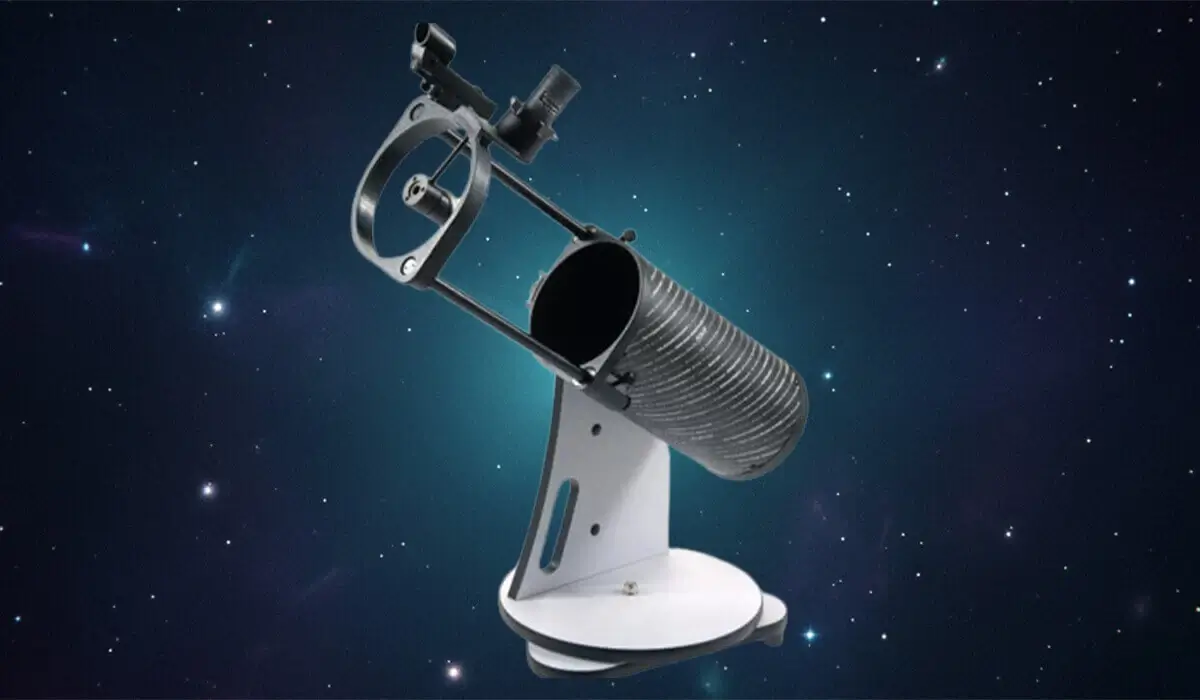
Best Telescopes Under €500
Unlock impressive features with telescopes like the Sky-Watcher Heritage 130P, ideal for detailed observations. Consider the Celestron StarSense Explorer LT 80AZ or Sky-Watcher Heritage 150P for enhanced portability and smart tech integration.
Explore OptionsStargazing Tips for Beginners ○
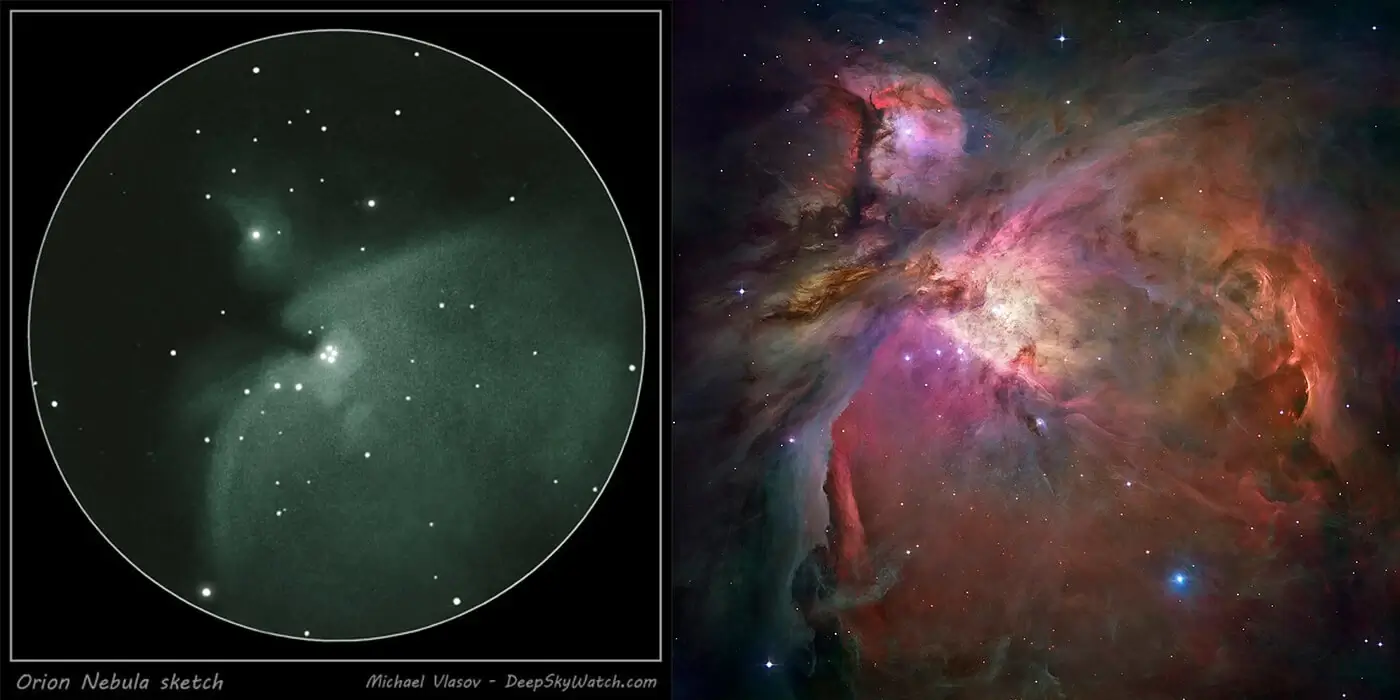
Visual Astronomy vs. Astrophotography
Is visual astronomy boring? Many beginners quit because they expect NASA-like photos through a small eyepiece. Learn why managing expectations is the real key to loving this hobby and why I personally chose the raw, visual path.
Read My Reality Check
The Eyepiece Guide: Understanding Magnification
Why does a 10mm eyepiece zoom in more than a 25mm? Many beginners find the numbers confusing. Our mini-guide breaks down focal lengths, field of view, and why "more power" isn't always better for seeing deep-sky objects clearly.
Master Your EyepiecesBinoculars for Stargazing ○
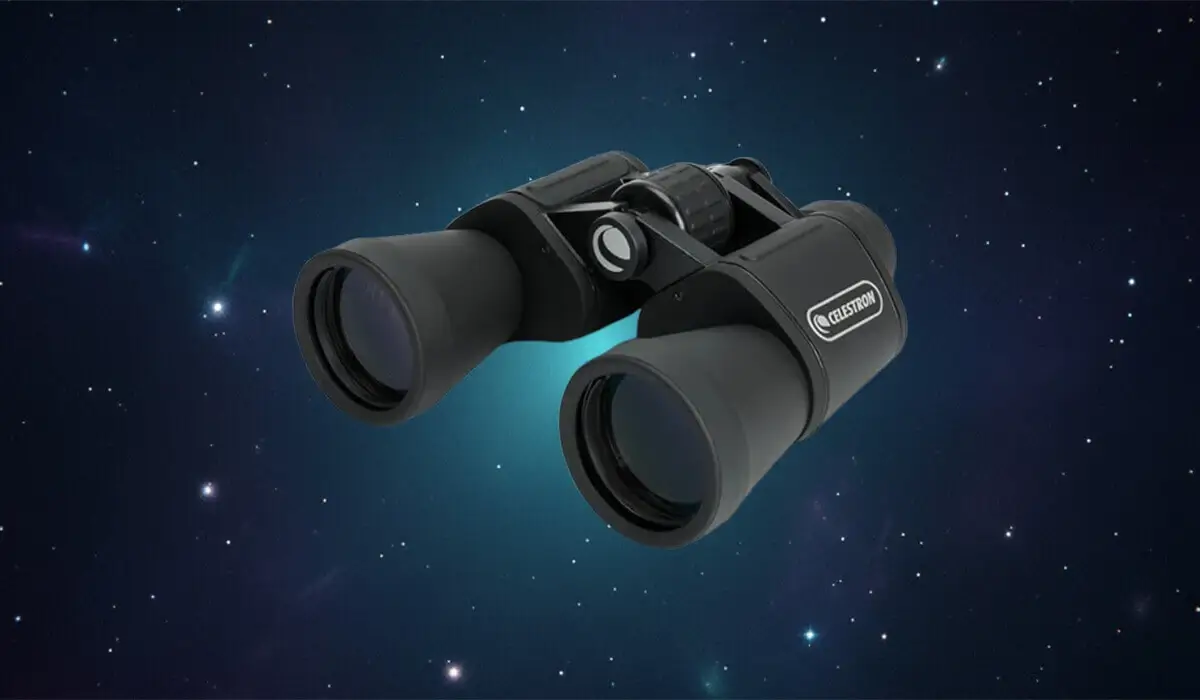
Best Budget Stargazing Binoculars
Perfect for those just starting their journey. 10x50 binoculars like the Celestron UpClose G2 offer incredible value, providing bright, wide-angle views of star fields and the Moon without breaking the bank. Lightweight and easy to use for the whole family.
Explore Options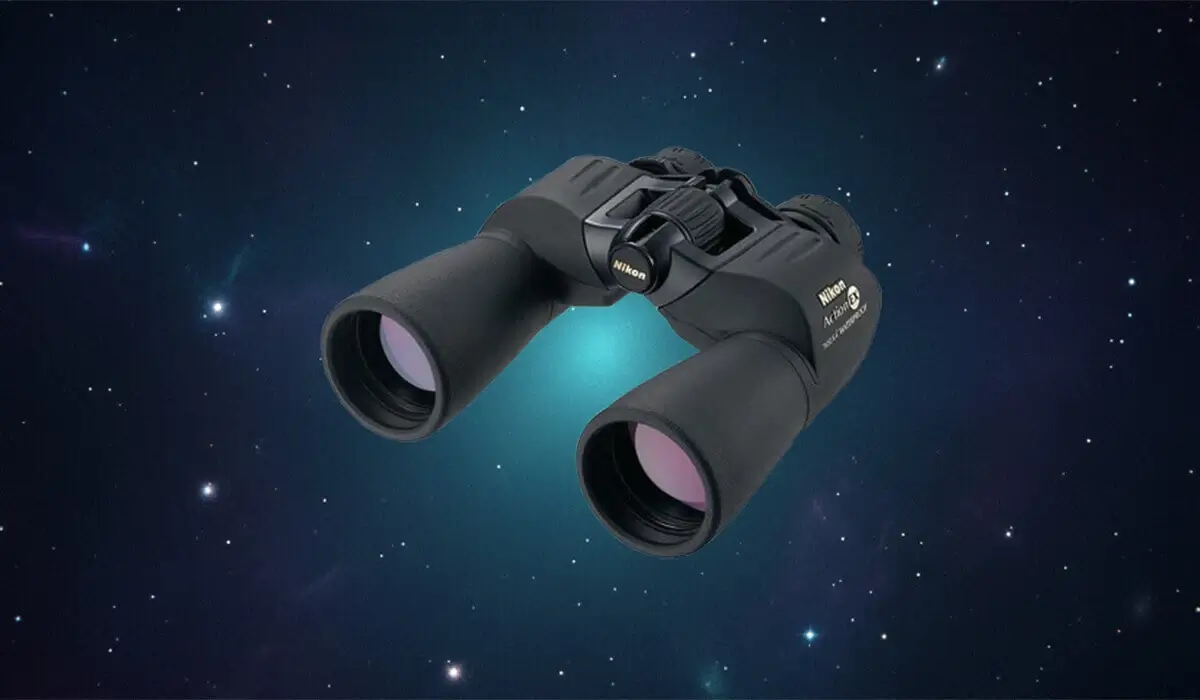
Best Value Astronomy Binoculars
The "sweet spot" for amateur astronomers. Models in the €100-€250 range, such as the Nikon Action EX series, offer waterproof ruggedness and superior BAK-4 prisms. These provide much sharper stars and better contrast for spotting faint nebulae and star clusters.
Explore Options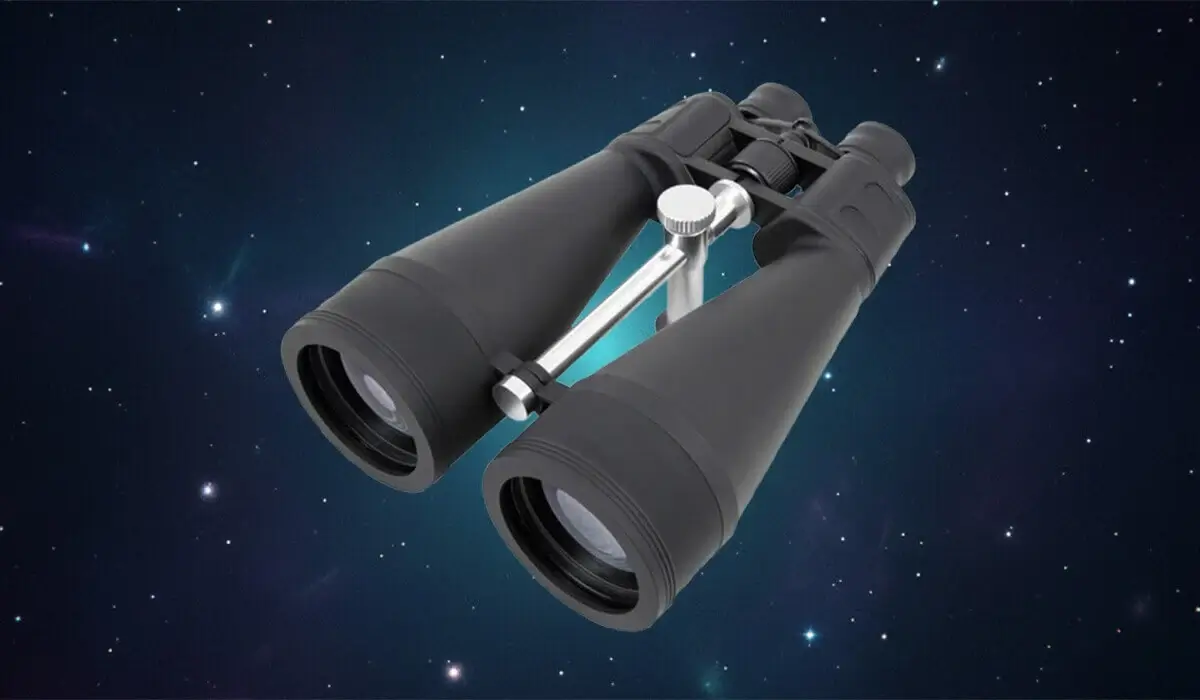
The Heavy Artillery: Giant Binoculars
For those who want to go deeper. Featuring giant "Cloud Cutters" like the 20x80 and 25x100 models, this category is all about raw light-gathering power. These are heavy, professional instruments that require a tripod but deliver telescope-like deep-sky views with both eyes.
Explore Giant OpticsEssential Astronomy Books ○
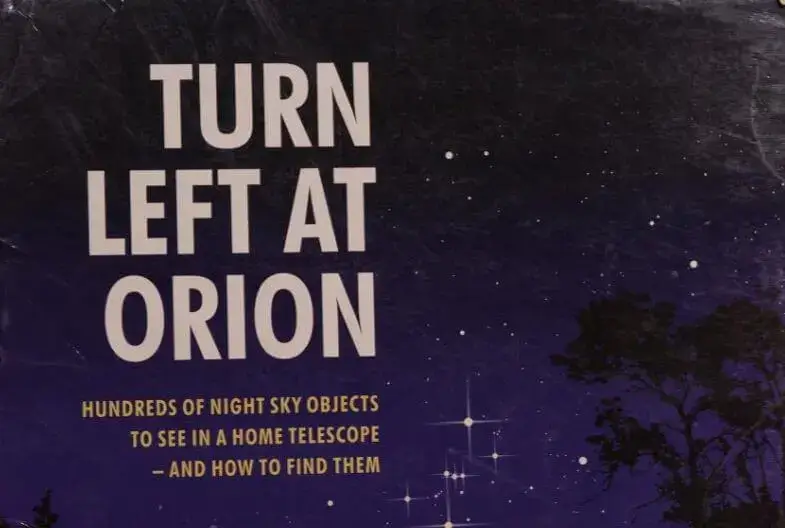
Turn Left at Orion
Commonly known as the "Bible for Amateur Astronomers." This guide is unique because it shows you what objects actually look like through a small telescope, not just NASA photos. It’s the ultimate road map for finding planets, nebulae, and double stars.
Why is this a must-read?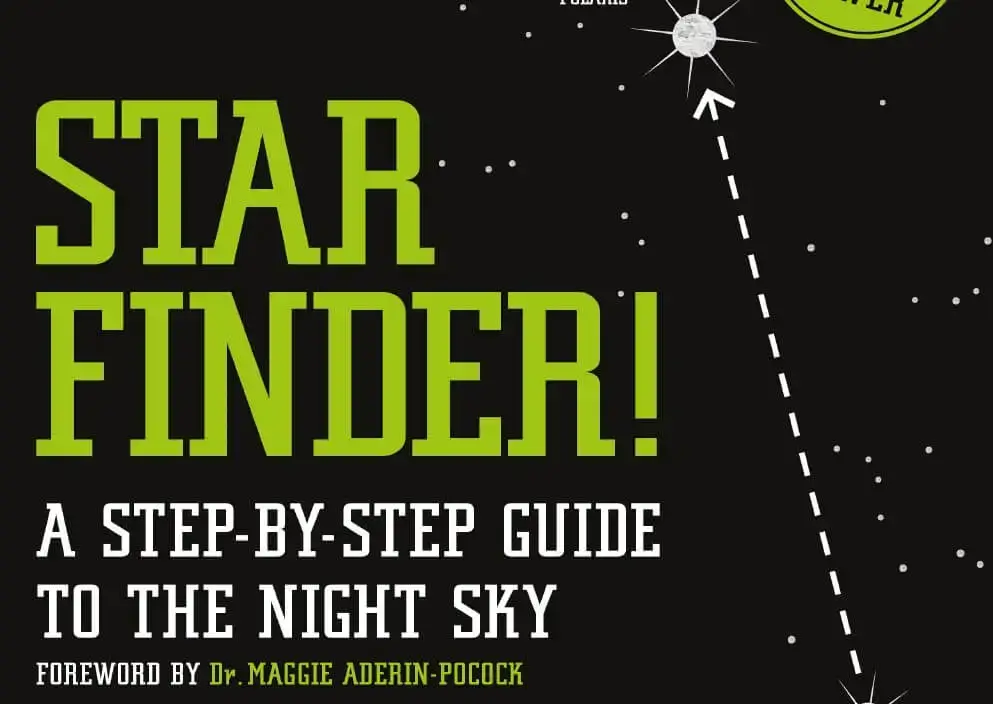
Star Finder: A Step-by-Step Guide
Authored by Dr. Maggie Aderin-Pocock, this is a brilliant modern star atlas. It uses clear, easy-to-follow maps to help you navigate the night sky. Perfect for beginners who want a visual, high-quality reference book for their backyard.
Read Full Guide
Binocular Highlights: 99 Celestial Sights
Gary Seronik proves that you don't need a massive telescope to enjoy the cosmos. This book features 99 of the most beautiful sights visible through binoculars. It’s the perfect companion for your 7x50 or 10x50s, offering easy-to-use charts and realistic descriptions.
Start Scanning the SkyWhich Telescope Is Best for You?
Answer a few questions and discover the telescope that fits your needs.