If 7x50 binoculars are the "scouts" of the night sky, then 80mm and 100mm models are the heavy artillery. These instruments are designed for one thing: raw light-gathering power. They are built for the observer who wants the immersive "3D" feeling of using both eyes but demands the reach and detail of a real telescope.
The Trade-off: Power vs. Freedom
Before you dive into this category, you must understand the compromise. Unlike the lightweight 7x50 models, these are heavy, professional-grade instruments. You lose the handheld freedom and "grab-and-go" mobility.
Because of their weight and high magnification, a sturdy tripod is no longer optional—it is mandatory. Without a mount, the image will shake so much that the extra detail becomes invisible. You are traded portability for pure optical performance.
The "Cloud Cutters": Top Giant Picks
These four models represent the pinnacle of large-aperture binocular astronomy for 2025.
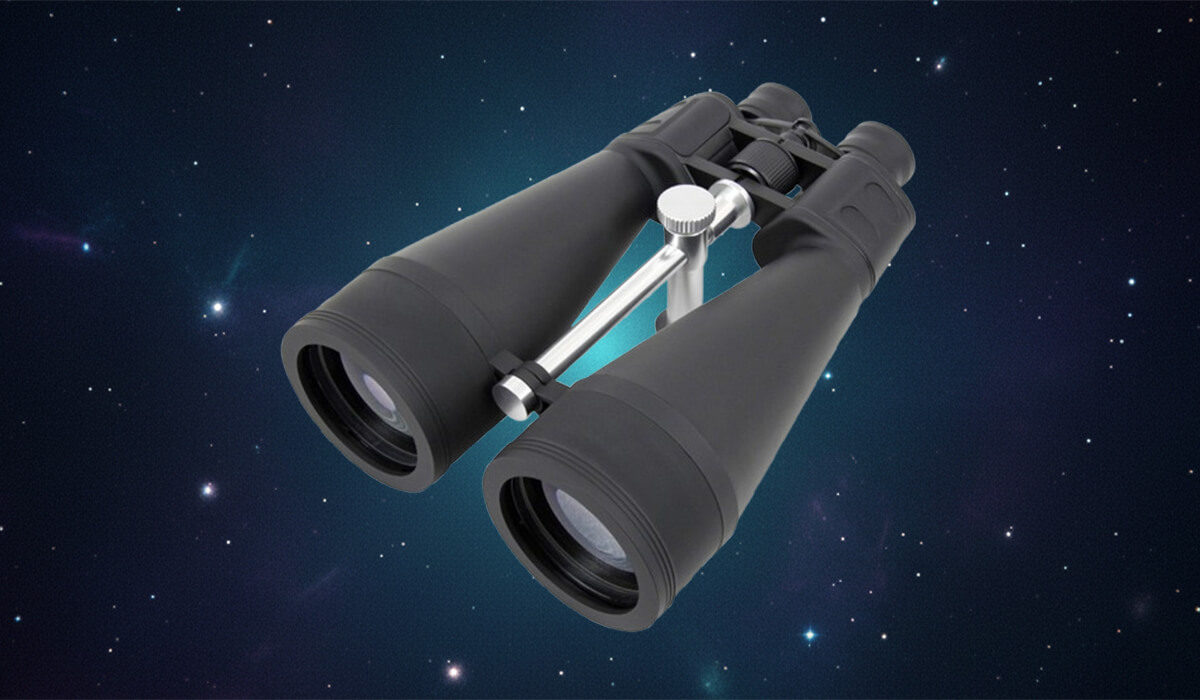
Omegon Nightstar 20x80
A classic entry into the giant category. The 80mm lenses act like twin telescopes, pulling in faint nebulae and star clusters that smaller binoculars simply miss. Great value for the aperture size.
View on Astroshop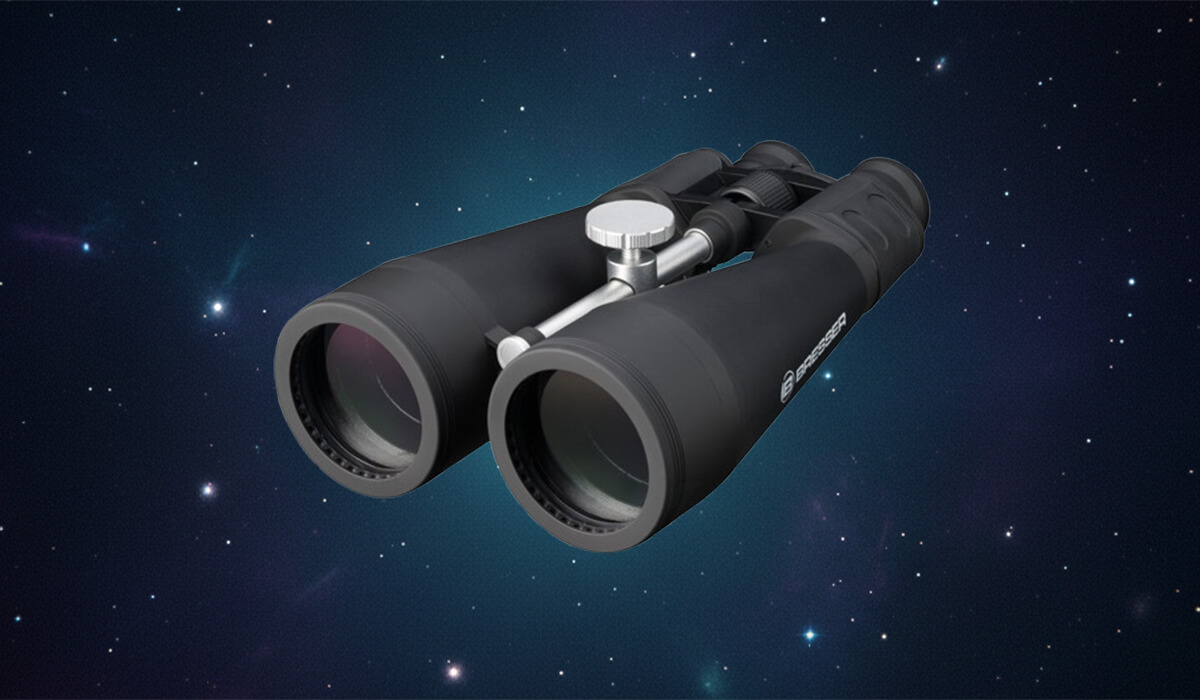
Bresser Spezial Astro 20x80
Built for the rugged observer. This model is known for its robust mechanical build and specialized coatings that excel in high-contrast lunar and planetary viewing.
View on Astroshop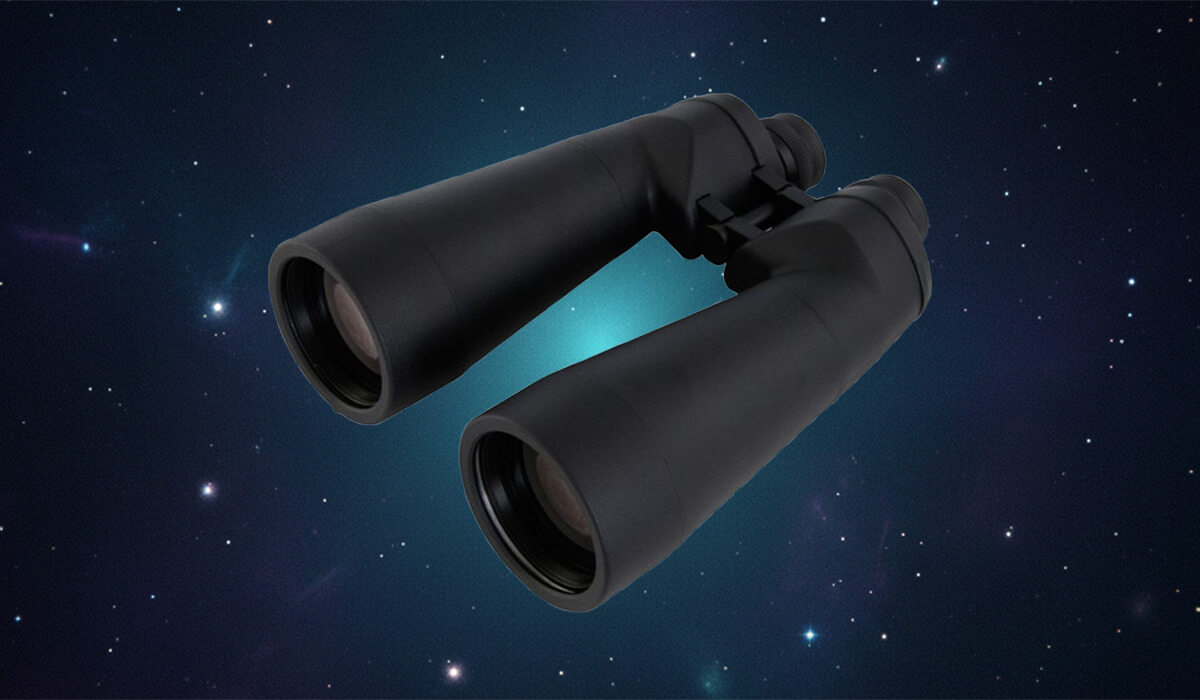
Omegon Argus 20x80 (High End)
The Argus series is significantly lighter than standard giants due to magnesium housing, but it's the superior BAK-4 optics that make it a "Cloud Cutter." Expect pinpoint stars and zero distortion.
View on Astroshop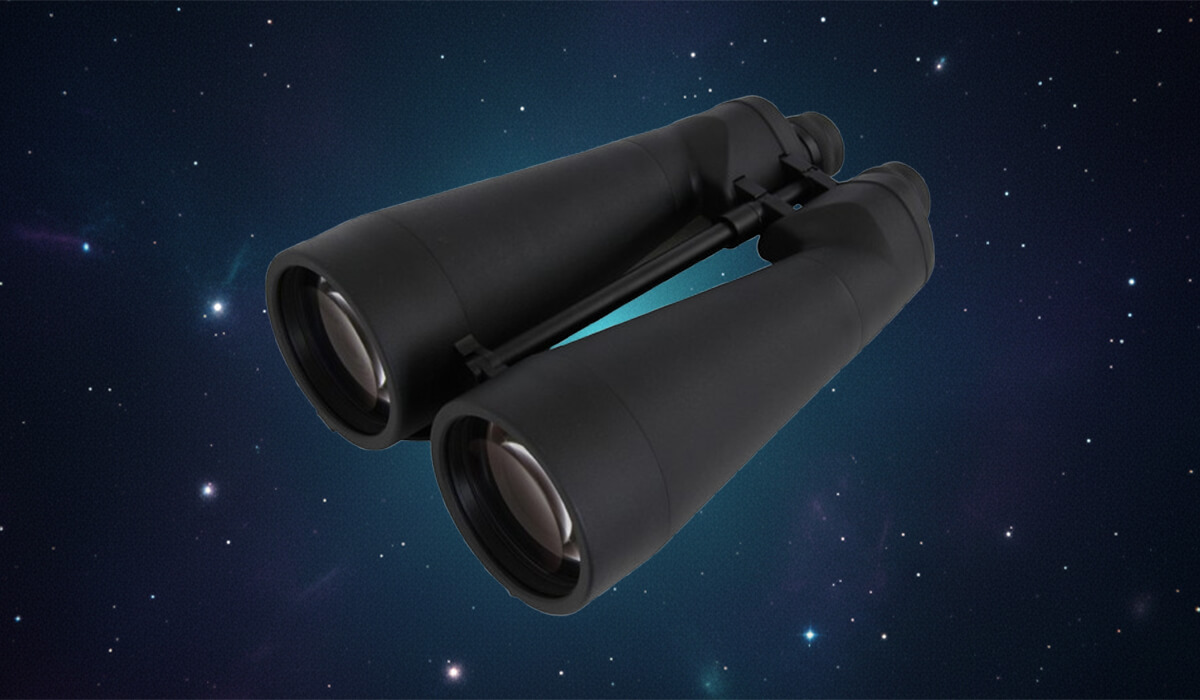
Omegon Argus 25x100
The beast. A 100mm aperture means this instrument gathers double the light of a 70mm model. This isn't just a binocular; it's a profound deep-sky observatory that fits in a (large) case.
View on AstroshopWhy Go Giant?
Despite the weight and the need for a tripod, the reward is unmatched. The perceived depth of a star cluster like the Pleiades through a 25x100 binocular is something no single-eyepiece telescope can replicate. Your brain combines the light from both paths, effectively increasing the signal-to-noise ratio. You see more, you see clearer, and you see longer without eye fatigue.
Final Verdict
Giant binoculars are for the observer who has moved past casual scanning. If you want to see the spiral arms of Andromeda or resolve individual stars in globular clusters while maintaining the comfort of binocular vision, this is the heavy artillery you need. Just remember: invest in a solid tripod, or you'll be fighting the physics of the universe instead of enjoying it.