Living in a big European city during winter is a double-edged sword for an amateur astronomer. On one hand, you have the long nights, but on the other, you are fighting a constant battle against two relentless enemies: light pollution and a thick, grey blanket of smog. For weeks, the sky here has been a dull orange haze, compounded by the typical European winter weather that seems to stay "depressing" for months on end.
A few days ago, I was scrolling through Reddit and saw a post from a fellow observer who had braved -30°C just to get a glimpse of the stars. He ended up half-frozen, and while I admired his dedication, I thought to myself: "I'd never be that crazy." Well, fast forward to January 1st, 2026, and I found out exactly where my own limit lies.
The New Year's Opportunity
On the first day of the year, my family and I traveled about 50 kilometers out of the city to visit my wife’s parents. They live in a rural area that sits at about 800 meters above sea level. It’s a Bortle 3—maybe even a Bortle 2—location. For those who live in the city, that means the kind of sky where the Milky Way isn't just a faint smudge, but a glowing river overhead.
The car was packed to the roof with "standard family stuff," but I managed to squeeze in my gear. I brought my telescope, my trusty Bresser 7x50 binoculars, and a few small accessories. I was excited. After weeks of city smog, the air was crystal clear. The sky was perfect.
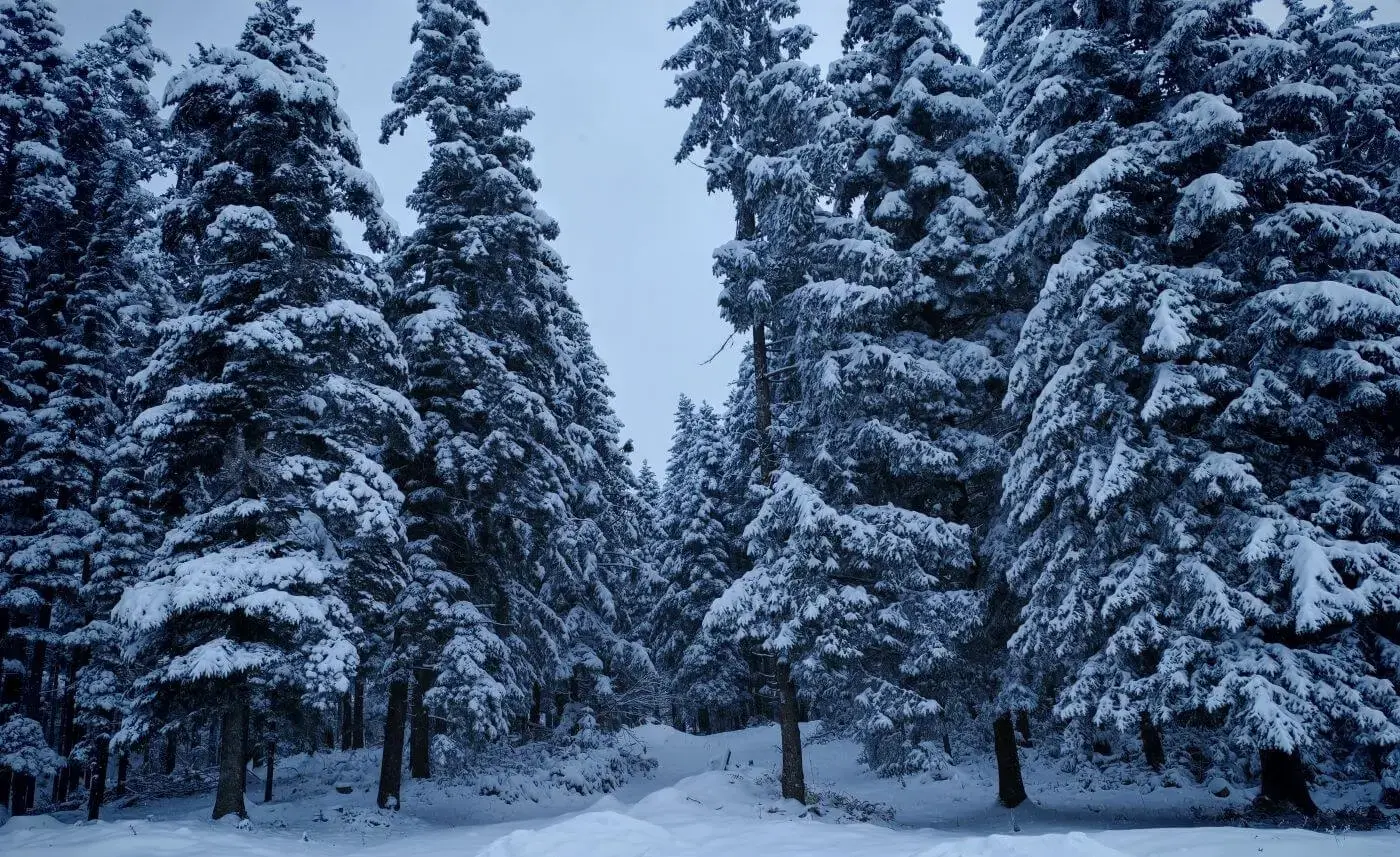
Update (Jan 5th, 2026): Just as I thought about going back out, nature had other plans. This is the view from January 5th—the snow completely buried my observing spot, making any stargazing attempt impossible.
Two Minutes of Reality
As soon as we arrived and the sun went down, the stars came out in a way I hadn't seen in months. But there was a catch. At 800 meters elevation, the temperature was biting, and a fierce, icy wind was whipping across the patches of snow on the ground.
I stepped outside, determined. I had my heavy jacket, a thick sweater, and a warm hat. I set up my spot, looked up, and... I lasted exactly two minutes.
The wind was so sharp it felt like it was cutting straight through my layers. My eyes started tearing up, making it impossible to even look through the Bresser binoculars, let alone align a telescope. The sheer cold was overwhelming. I realized very quickly that without specialized thermal gear or a windbreak, I was fighting a losing battle.
Disappointment vs. Determination
I retreated back into the warmth of the house, feeling a bit defeated. It’s a strange feeling for an astronomer—seeing the most perfect sky you've had in a year and being physically unable to stay out and enjoy it.
I went home that evening disappointed, but the "itch" is still there. Winter stargazing is a brutal teacher. It reminds you that nature doesn't care about your hobbies. However, the weather forecast looks promising for a few days from now, and the temperatures are supposed to climb just a little higher.
I’ll be back. I’ll bring an extra layer, maybe some hand warmers, and a bit more patience. Because that Bortle 2 sky is still up there, waiting, and I’m not giving up on it yet.
What I Learned (The Hard Way)
- Wind chill is the real killer: -5°C with wind feels worse than -15°C without it.
- Layers aren't always enough: If your outer layer isn't windproof, your sweater is useless.
- It's okay to quit: There is no prize for getting frostbite. The stars will be there another night.